01
THE EAR.
Hearing what is already there even when the artist, demo or record has not fully become it yet.


THE LEGACY
For nearly a decade inside Dr. Dre's Aftermath Entertainment, Mike Lynn worked where instinct, talent and opportunity became records.
His work stretched beyond traditional A&R, identifying talent, developing artists, recognizing songs, connecting collaborators, structuring opportunities and helping move ideas into rooms where careers could change.
Mike's reputation was built quietly: hear the potential, make the move, let the work speak.
Hearing what is already there even when the artist, demo or record has not fully become it yet.
Knowing when to develop, when to connect, when to fight for the record, and when one move can shift a career.
Signings. Songs. Introductions. Deals. Decisions made behind the scenes that traveled far beyond the room.

MIKE LYNN • T.I.P. • DR. DRE
Mike's career was built inside the rooms where artists, producers and executives turned possibility into records.
Long before streaming dashboards and social metrics became the language of artist development, the work depended on ears, relationships, conviction and knowing what to do next.
A career measured not only in credits, but in the instincts, introductions, signings and decisions that helped create them.


Nearly a decade inside one of the most consequential artist-development systems in modern music.
Mike Lynn joined Dr. Dre’s Aftermath Entertainment during its formative years and became a pivotal A&R executive working at the intersection of talent discovery, repertoire, artist development, creative strategy and relationships.


Inside the executive infrastructure surrounding one of the most dominant runs in modern hip-hop.
Mike Lynn worked closely with Dr. Dre during 50 Cent’s defining Aftermath / Shady / Interscope era and was part of the A&R and artist-development operation surrounding a period that transformed 50 Cent into a global superstar.


Mike Lynn recognized the potential and became a critical bridge between an emerging Compton rapper and Dr. Dre’s Aftermath Entertainment.
“Mike Lynn came and found me.” — The Game
The Game’s early material reached Mike Lynn before the world knew his name. Mike pursued the artist, helping open the door into the Aftermath ecosystem and the development period that preceded The Game’s emergence as one of the defining West Coast artists of his generation.


“My demo was terrible… but he heard something.”
Bruno Mars’ early demo reached Mike Lynn while Mike was an executive at Aftermath. Mike heard beyond the rough recording, brought the young artist into his orbit and became part of the early chain of development that preceded Bruno’s rise.


“Mike Lynn was like his right hand man.”
Eve has recalled Mike’s role within Dr. Dre’s circle while describing the early opportunity that placed her in front of the Aftermath team.


Part of the executive infrastructure surrounding Aftermath during an era that redefined global hip-hop.
When Mike later transitioned to Sony/Columbia, executives specifically cited his work with artists including Eminem, 50 Cent and The Game as evidence of his standing as a major force in rap and hip-hop.

Mike put together the deal for Dr. Dre to serve as Executive Producer of Xzibit’s Restless.

Mike signed one of hip-hop’s most revered lyricists to Aftermath Entertainment following Rakim’s tenure with DreamWorks.

Mike signed Truth Hurts to Aftermath and helped move the project that produced the breakout single “Addictive.”


Mike brought Busta Rhymes into the Aftermath ecosystem, adding another established and singular voice to the label’s creative roster.


Another example of Mike’s ability to identify talent, develop the opportunity and help move an emerging artist toward a major-label future.


Mike’s career extended beyond artist signings into recognizing records, songs and opportunities, the kind of behind the scenes instinct that can move material from one room into global culture.

Mike coordinated the connection between Dr. Dre and Mary J. Blige for “Family Affair” during the No More Drama era.
The moment reflects the part of A&R history audiences rarely see: the relationship-building and executive coordination required to place the right artist with the right producer at the right moment.
Mike Lynn’s career moved through some of the most influential music institutions of his era, from the Interscope and Aftermath ecosystem to the launch of his own Big Ego Entertainment imprint, followed by a major production and label partnership with Sony Urban Music and Columbia Records.


Nearly a decade helping build inside Aftermath then the leverage, relationships and reputation to build under his own name.
Mike Lynn's career has placed him inside the A&R, artist-development and executive infrastructure surrounding some of modern music's most commercially significant releases.

The inaugural compilation from Dr. Dre's newly established Aftermath Entertainment and the beginning of the label era in which Mike Lynn would build much of his executive legacy.

One of the defining releases of the Aftermath era and a landmark project within Mike Lynn's A&R career.

A generation defining Aftermath release and one of the landmark commercial albums of its era.

Mike put together the deal for Dr. Dre to serve as executive producer of Xzibit's breakthrough album Restless.

The Dr. Dre-produced single became Mary J. Blige's first Billboard Hot 100 #1 and held the top position for six consecutive weeks.

The Dr. Dre and Scott Storch produced crossover reached #2 on the Billboard Hot 100 and became one of the defining collaborations of the era.

Mike signed Truth Hurts to Aftermath and helped move the project that produced the breakout record “Addictive.”

A Billboard 200 #1 release from the Aftermath / Shady / Interscope era and one of hip-hop's defining commercial moments.

A major crossover record that reached the Billboard Hot 100 Top 10 and became an international hit.

The culmination of an artist development story that began when Mike recognized The Game's potential and helped open the door into the Aftermath ecosystem.

Another Billboard 200 #1 release from one of the most commercially dominant periods in modern hip-hop.

Busta Rhymes' Aftermath era release debuted at #1 on the Billboard 200.

A later chapter in the Aftermath story and another certified Dr. Dre release connected to Mike Lynn's executive history.
The numbers are public. The work happened behind the scenes.
A&R • ARTIST DEVELOPMENT • RECORD EXECUTIVE • EXECUTIVE STRATEGY
Across the artists, records and cultural moments surrounding Mike Lynn's executive career sits a body of work recognized at music's highest level. GRAMMY wins, nominations and history making moments spanning generations of hip-hop and R&B.

“Let Me Blow Ya Mind” featuring Gwen Stefani

A defining crossover collaboration.

“Rich Girl” featuring Eve

The Marshall Mathers LP


“Family Affair”

“Hate It Or Love It” featuring 50 Cent

Get Rich or Die Tryin' • The Massacre
The awards belong to the artists. The history belongs to the era.
THIS ARCHIVE DOCUMENTS GRAMMY-RECOGNIZED ARTISTS AND RECORDINGS CONNECTED TO MIKE LYNN'S EXECUTIVE CAREER.Before the legacy could be looked back on, it was being documented in real time.
From Billboard, Forbes and Complex to the broader music press, the artists, records, executive transitions and relationships surrounding Mike Lynn became part of the documented history of a defining era in music.



Mike Lynn's executive career wasn't simply remembered years later. His moves were being reported by the music industry's trade press as they happened.
Billboard reported Lynn's move into the Sony Urban Music / Columbia Records organization following his years in the orbit of Dr. Dre and Aftermath Entertainment.
The transition placed a spotlight on an executive whose career had already intersected with some of hip-hop's most consequential artists and records.
NOT SELF-PROCLAIMED.
DOCUMENTED.
The records became hits. The artists became icons. The executive work behind those moments became part of the archive.
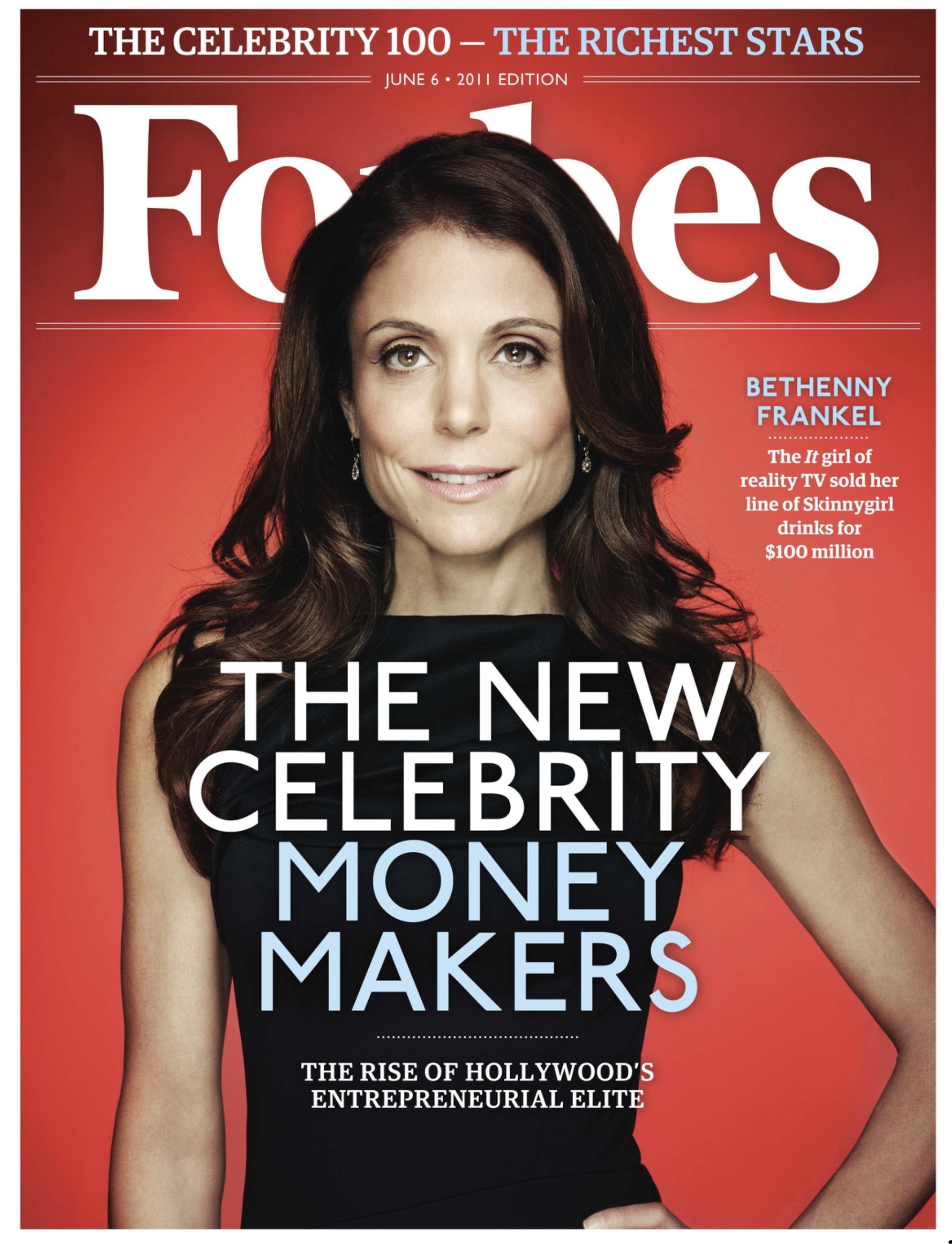
Long before sold-out arenas, Grammy Awards and global superstardom, Bruno Mars was a young artist trying to find his way into the Los Angeles music business.
Forbes' Mars Attacks! documented an early chapter in that story: Bruno's demo made its way through his sister to Mike Lynn, then an executive at Dr. Dre's Aftermath Entertainment.
The significance wasn't hindsight. It was the ability to hear potential before the rest of the world knew what that potential would become.

Some careers are understood through liner notes. Others through the people who actually occupied the rooms where the records were made.
Complex's oral history of The Game's The Documentary places Mike Lynn directly inside the story of one of the defining rap debuts of its era.
Mike appears throughout the feature discussing signing The Game, artist development, the making of the album and the ecosystem connecting Dr. Dre, Aftermath, 50 Cent and the records that followed.
“When I saw Game, I saw a star. Game was always an incredible emcee, but we had to turn him into a song maker.”MIKE LYNN • COMPLEX ORAL HISTORY
Not mythology.
Not retrospective hype.
Not a résumé written after the fact.